Report from 16 to 19 November
The reedbed and the small willow stands within it provide shelter from the wind, the cold, and the marauding Sparrowhawks, and many birds use it to roost overnight. In addition to the Starlings – which are largely gone now, save for a few hundred – it hosts a great variety of small songbirds. The reeds are too thick to see through, so we must settle for listening to their calls. Reed Buntings and Chaffinches are the commonest species, followed by the Penduline Tit, Blue Tit, White Wagtail, Long-tailed Tit, Meadow Pipit, Water Pipit, Chiffchaff, Tree Sparrow, Cetti’s Warbler, and even Magpie. Finally, there is the Water Rail, which never leaves the safety of the reeds. The number of Mallards is holding steady, albeit still far lower than in recent years at this season, and the same can be said of Teal and Gadwall numbers. Shovelers are gradually increasing and I counted about 25 or 30, but I was unable to find a single Wigeon, despite spending much time searching for them in their favourite spots; all my efforts only produced a single hen Pintail. Plenty of Goldcrests have come down from the northern forests, and a fair few Firecrests are with them. An early morning walk produced the season’s first Woodcock.
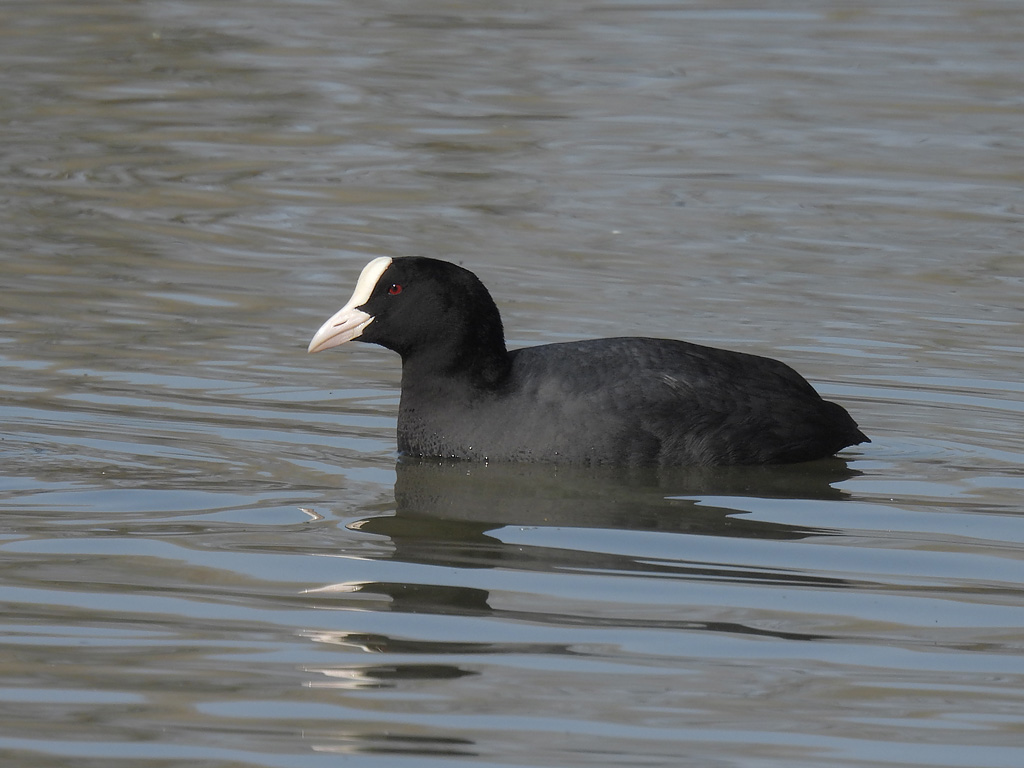
Much like the Cormorant, which featured in the previous report, the Coot is an oft-neglected permanent resident of La Cassinazza. Every once in a while, I like to highlight these species we take for granted.