report from 9 to 10 November
The autumn-like weather – mist, fog, and gloom – marred the two days I had this week to be out in the field. Mallard and Teal numbers remained unchanged, but some of the scarcer ducks saw a minor influx, with about fifteen Shovelers, under ten Gadwalls, and a handful of Wigeons.An immature Spoonbill was also a new arrival. Two months after we first saw it, the Nuthatch is still present. We can now safely say that it is here at La Cassinazza to stay, at least for the winter. Hopefully it will also stay on to breed. Goldcrests and Siskins have come down from the Alps in great numbers and flocks of each are common here in the lowlands. The Siskins prefer to stay high in the trees, while the Goldcrest flit through the shrubbery.
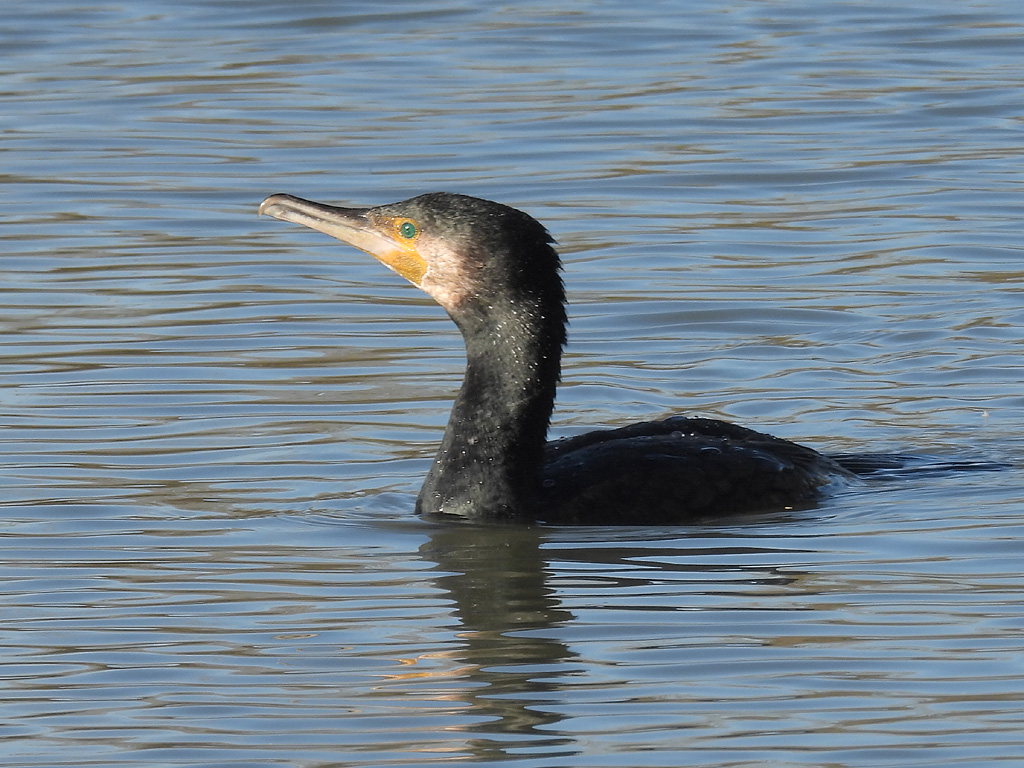
Cormorants are one of those species that are hard to miss at La Cassinazza, and they hit peak numbers – up to a hundred or more – in fall and winter. They spend their days on the main lake, either in the water when they are fishing, or on one of the islands when they are resting. As night falls, they move to a poplar grove to roost.